The Pros and Cons of a Tankless Water Heater
Upgrading property equipment often involves making choices between traditional designs and modern technology. Homeowners constantly seek reliable fixtures that deliver comfort without creating unnecessary overhead expenses. Hot water systems rank among the most crucial appliances in any household.
Modern property owners frequently consider switching away from traditional storage tanks. On-demand equipment offers a fresh approach to heating household supply quickly. Understanding the trade-offs allows families to choose options that fit daily routines seamlessly.
Making a decision requires comparing operational performance against initial financial investments. Property layouts, electrical infrastructure, and daily water consumption all influence which equipment fits best. Every home presents unique physical and operational considerations.
Navigating these choices becomes easier when working alongside experienced local professionals. Anyone planning a professional water heater installation benefits from evaluating both the benefits and drawbacks beforehand. Taking time to review system capabilities prevents unexpected surprises later.
Advantages of Continuous Flow
On-demand heating systems heat supply only when taps open, providing an uninterrupted stream for household activities. Families no longer need to schedule showers around tank recovery cycles. Multiple users can enjoy comfortable temperatures sequentially without running out.
Eliminating storage tanks removes the constant energy loss required to keep large volumes warm continuously. Heating only what you consume creates lower monthly utility expenses. The system remains idle until a hot water tap turns on somewhere inside the building.
Proper sizing ensures that temperature levels remain consistent throughout long uses. The continuous operation eliminates cold surprises near the end of long routines. This feature provides significant daily comfort for busy living spaces.
Many property owners appreciate the convenience of endless warm supply during demanding morning routines. Selecting this equipment during a water heater installation ensures consistent performance across daily tasks.
- Instant delivery of heated supply upon opening taps
- Reduced standby energy consumption while fixtures remain idle
- Extended operational lifespan compared to conventional storage designs
Benefits of Compact Design
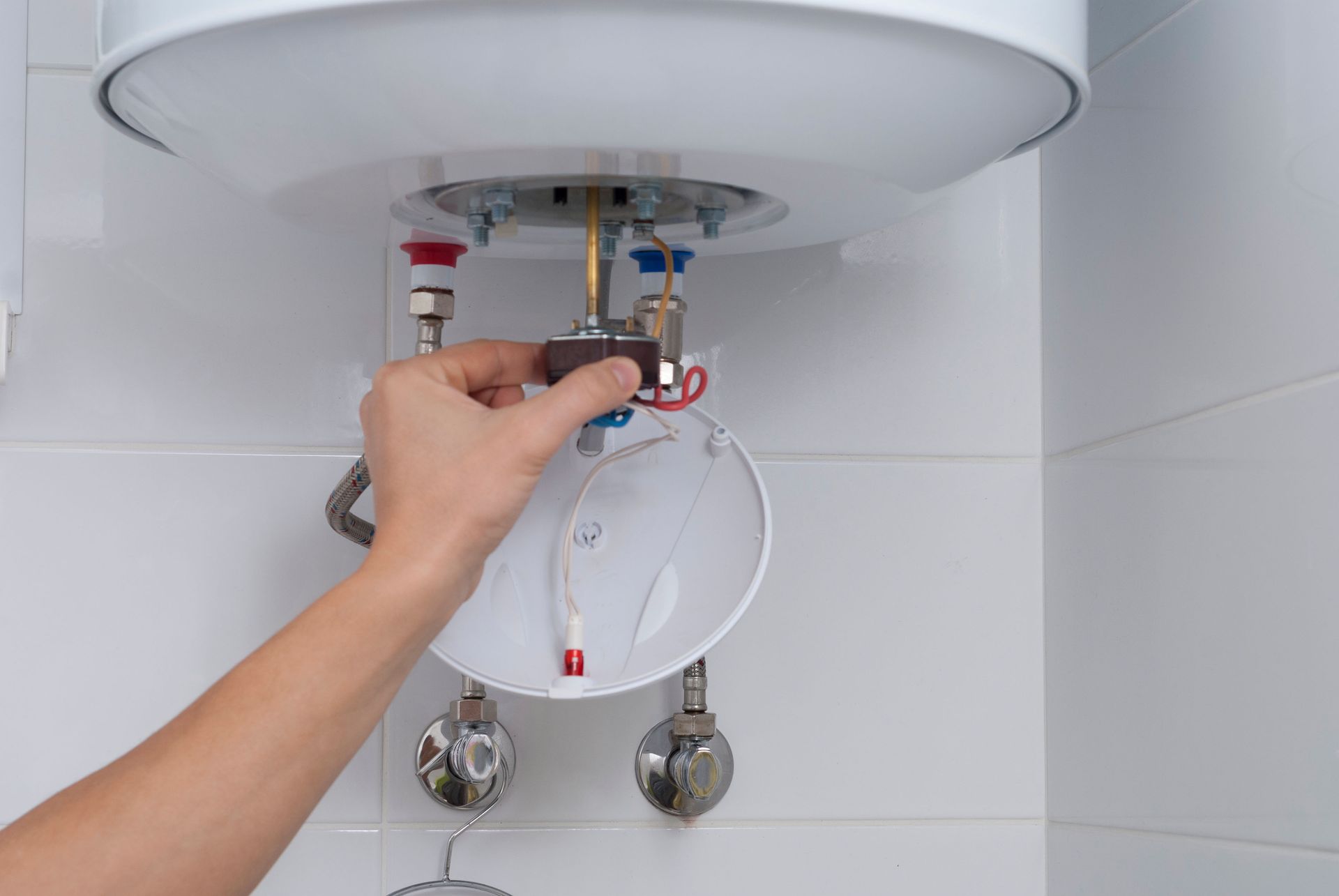
Traditional storage vessels take up substantial square footage inside utility closets, basements, or garages. Their bulky cylindrical shapes restrict floor space and limit storage opportunities nearby. Compact modern units mount directly onto wall surfaces instead.
Wall-mounted designs free up valuable floor area for storage shelves, laundry equipment, or pantry items. Homeowners living in smaller dwellings especially appreciate the space recovery. The streamlined appearance creates a clean, modern aesthetic in utility areas.
Placement flexibility allows units to sit closer to point-of-use locations like bathrooms or kitchens. Shorter pipe runs reduce the time warm supply takes to reach fixtures. This localized approach improves convenience while minimizing structural clutter.
Choosing a compact water heater installation allows homeowners to maximize available indoor square footage. Regaining closet space transforms utility areas into functional storage zones without sacrificing operational capacity.
Mounting hardware secures units safely against wall studs or exterior framing. The elevated position also protects sensitive internal components from potential floor flooding risks. Modern wall placement offers both practical and aesthetic advantages.
Realities of Upfront Costs
Initial purchase prices for on-demand equipment exceed those of standard tank models. Advanced heat exchangers and digital control systems contribute to higher equipment expenses. Homeowners must prepare for greater upfront capital requirements.
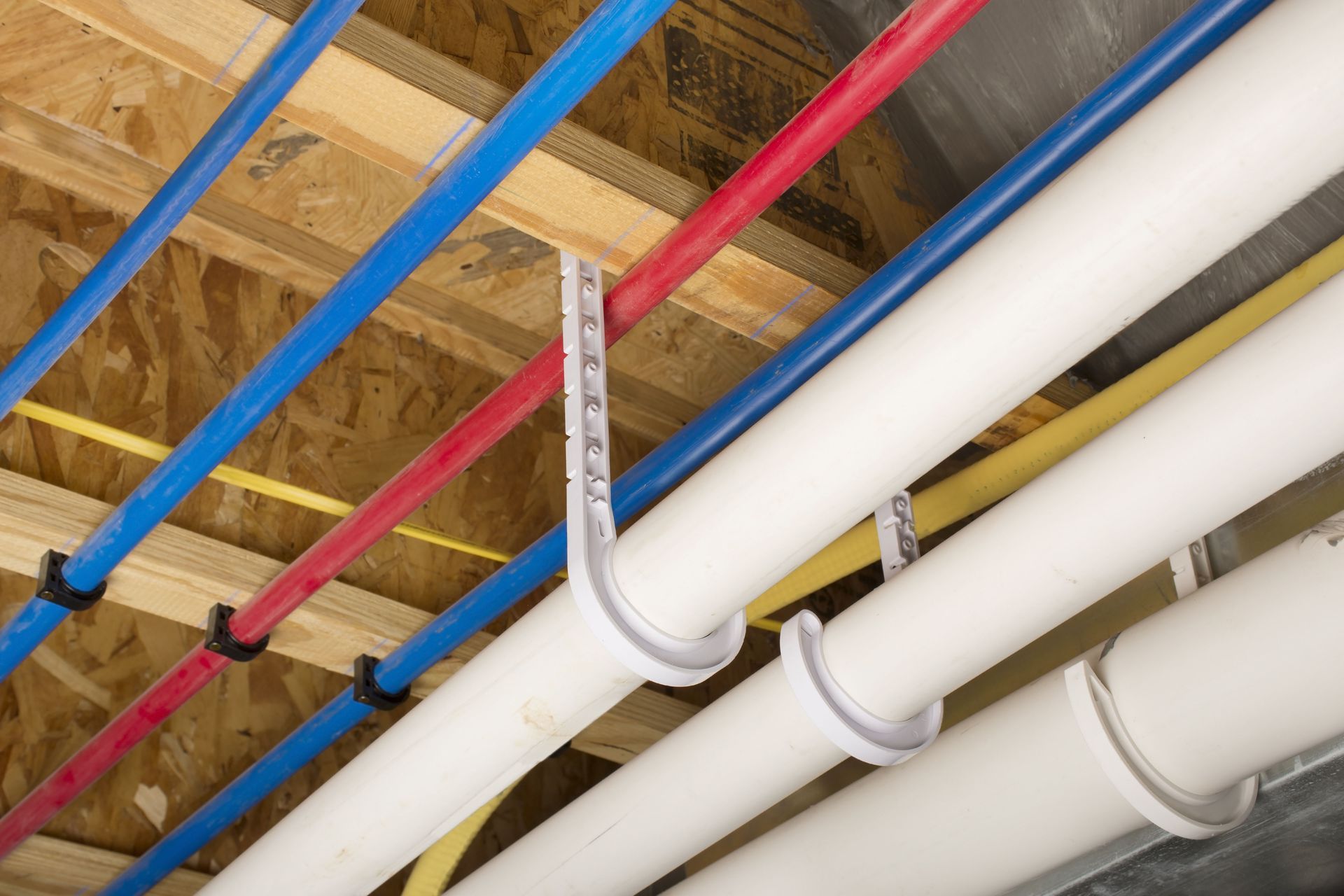
Upgrading existing plumbing infrastructure often requires professional labor and specialized electrical or gas line adjustments. Existing piping may not support the higher immediate fuel demands of modern units. These setup requirements add to total project costs.
Finding qualified technicians ensures setup meets local building standards and safety codes. According to IBISWorld, America features more than 129,000 plumbing businesses as of 2026. Partnering with licensed contractors guarantees reliable long-term system performance.
Accounting for all expenses associated with a quality water heater installation prevents budget overruns. While initial costs seem high, long-term operational efficiency helps offset the starting investment over time.
Evaluating upfront capital alongside long-term utility savings clarifies overall value. Homeowners viewing this choice as a multi-year investment often find the initial expenditure worthwhile. Proper planning leads to sound financial decisions.
Demands of System Sizing
Flow rate capacities dictate how many fixtures can operate simultaneously without temperature drops. Running multiple appliances at once requires sufficient heating capacity from the central unit. Undersized systems struggle during peak household usage times.
Incoming groundwater temperatures also affect system heating speed and output volumes. Colder climates demand greater temperature elevation, which slightly reduces maximum flow rates. Sizing calculations must account for local climate conditions.
Professional contractors evaluate household fixture demands before recommending specific unit models. Proper sizing balances peak fixture usage with temperature expectations. Accurate assessment prevents lukewarm output during simultaneous showers.
Evaluating requirements before water heater installation ensures system capacity matches daily living habits. Selecting correct sizing parameters provides seamless comfort across every tap in the home.
- Peak flow rate requirements across simultaneous fixtures
- Incoming cold supply temperatures based on geographic location
- Fuel source capacity including gas line or electrical service limits
Nuances of Routine Maintenance
Scale accumulation from hard water minerals can coat heating components inside compact units over time. Mineral buildup restricts flow passages and degrades heat transfer efficiency. Periodic flushing cleans internal channels to preserve system output.
Flushing routines involve circulating mild descaling solutions through the unit annually. Inspecting internal filters and venting components maintains safe operational conditions. Routine care keeps equipment running smoothly across its entire lifespan.
Ignoring maintenance schedule needs leads to premature component wear or unexpected system shutdowns. Simple preventive care steps protect internal heating elements from hard water damage. Taking basic maintenance precautions preserves operational reliability.
Maintaining the system after water heater installation ensures consistent fuel efficiency and hot water output. Homeowners who commit to basic maintenance enjoy years of dependable service.
Many models feature diagnostic display screens that alert users to maintenance requirements or error conditions. These digital monitors simplify troubleshooting before small issues turn into major repairs. Proactive care extends overall operational life.
Elements of Long-Term Savings
Energy efficiency gains provide steady savings on monthly utility bills throughout the year. Avoiding continuous heating cycles reduces fuel or electrical consumption significantly. Lower utility demands lower overall environmental footprints.
Robust internal construction allows compact units to outlast traditional storage vessels significantly. Longer operational lifespans delay the need for system replacements. This durability increases overall return on investment.
Fewer total replacements mean reduced long-term equipment purchasing and disposal costs. Property value increases as buyers recognize modern, energy-efficient fixtures. Efficient heating technology remains an attractive selling point in modern real estate markets.
Understanding the long-term financial perks of water heater installation helps homeowners appreciate overall project value. Cumulative utility savings offset higher initial setup expenses over time.
Lower ongoing operating costs make on-demand heating an appealing choice for forward-thinking property owners. Investing in efficiency delivers reliable economic benefits throughout the equipment's lifespan.
Choosing the Right Partner for Your Home
Selecting between traditional storage tanks and modern on-demand systems comes down to budget, space, and family habits. Weighing upfront expenses against long-term energy savings guides property owners toward smart decisions. Professional guidance ensures chosen equipment fulfills your household needs seamlessly.
Upgrading your home's hot water system requires precision work, specialized tools, and trusted local plumbing expertise from start to complete finish. When you are fully prepared to enhance your everyday household comfort with top-tier efficiency, contact our friendly team of industry experts for your water heater installation at N. Scasino Plumbing LLC today. We look forward to hearing from you!
Share On: